Nimonic 263
Nimonic 263 is commonly specified for welded and fabricated components requiring a balanced combination of elevated-temperature strength, creep resistance, oxidation resistance and ductility. This....
View GradeExplore our Nimonic alloy grades including Nimonic 75, 80A, 90 and other nickel-based superalloys. Find information about properties, specifications, standards and applications for aerospace, turbine and high-temperature industries.
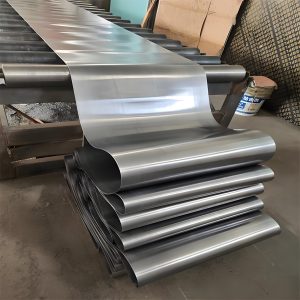
Inconel, Hastelloy, Incoloy, Monel, Nickel, Nimonic and other high-performance alloys.
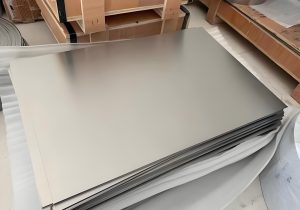
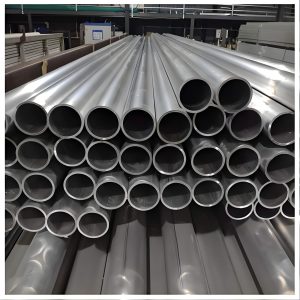
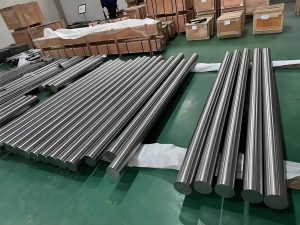
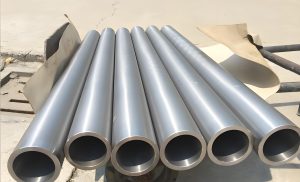
Bar, plate, sheet, pipe, tube, strip, wire, forging, flange and custom size supply.
Compare alloy selection by corrosion resistance, temperature, strength, fabrication and availability.
Compare each alloy family by its common grades, product forms, key properties and typical industrial applications.
Nimonic 263 is commonly specified for welded and fabricated components requiring a balanced combination of elevated-temperature strength, creep resistance, oxidation resistance and ductility. This....
View Grade
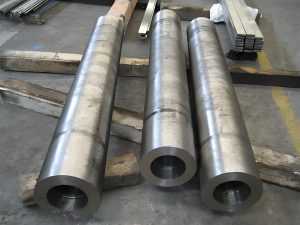
Nimonic 90 is commonly specified for components requiring high tensile strength, creep resistance and stress-rupture performance at elevated temperatures. This wrought, age-hardenable nickel-chromium-cobalt alloy....
View Grade
Nimonic 80A is commonly specified for components requiring high tensile strength, creep resistance and oxidation resistance at elevated temperatures. This wrought, age-hardenable nickel-chromium alloy....
View Grade
Nimonic 75 is commonly specified for fabricated components requiring good oxidation and scaling resistance together with moderate strength at elevated temperatures. This nickel-chromium alloy....
View Grade
Nimonic 105 is a precipitation-hardenable nickel-cobalt-chromium alloy developed for high-temperature service up to approximately 950 °C. Additions of molybdenum, aluminum and titanium provide high....
View Grade
Nimonic PE16 is commonly specified when high strength, creep resistance, oxidation resistance and good fabrication characteristics are required at temperatures of approximately 500-750 °C.....
View GradeSend the medium, temperature, pressure, fabrication process, product form and required standard. We can help compare practical grade options for corrosion resistance, heat resistance, availability and budget.
Request Grade Support