Home > Alloys > Nimonic > Nimonic 105

Nickel Alloy Grade Data Sheet

Nimonic 105

Nimonic 105 is a precipitation-hardenable nickel-cobalt-chromium alloy developed for high-temperature service up to approximately 950 °C. Additions of molybdenum, aluminum and titanium provide high tensile strength, creep resistance and useful ductility at elevated temperatures. The alloy is commonly used for turbine blades, discs, forgings, ring sections, bolts, fasteners and other highly loaded gas-turbine components.


Material Overview

Nimonic 105 material profile

A concise grade introduction for buyers who need to confirm composition, properties, standards, available forms and suitable applications before sending an inquiry.

Engineering profile

Nimonic 105 is a precipitation-hardenable nickel-cobalt-chromium alloy developed for high-temperature service up to approximately 950 °C. Additions of molybdenum, aluminum and titanium provide high tensile strength, creep resistance and useful ductility at elevated temperatures. The alloy is commonly used for turbine blades, discs, forgings, ring sections, bolts, fasteners and other highly loaded gas-turbine components.


Nimonic 105

Technical data on this page is for material selection reference. Final acceptance values should be confirmed by the purchase standard, heat treatment condition, product form, size and material test certificate.

Chemical Composition

Nimonic 105 composition range

The following table shows common limiting composition values for Alloy 625 / UNS N06625. Actual product chemistry is reported by heat on the material test certificate.

Element Symbol Typical Requirement Role in Alloy 105
Nickel Ni Balance Forms the principal high-temperature alloy matrix and provides metallurgical stability.
Cobalt Co 18.0-22.0 Improves hot strength, phase stability and resistance to deformation at elevated temperature.
Chromium Cr 14.0-15.7 Provides oxidation and hot-corrosion resistance.
Molybdenum Mo 4.5-5.5 Provides solid-solution strengthening and improves creep resistance.
Aluminum Al 4.5-4.9 Combines with nickel to form gamma-prime precipitates for age hardening.
Titanium Ti 0.9-1.5 Supports gamma-prime precipitation and increases high-temperature strength.
Iron Fe 1.0 max Controlled residual element.
Carbon C 0.17 max Supports carbide formation and grain-boundary strengthening.
Silicon Si 1.0 max Controlled residual and deoxidizing element.
Manganese Mn 1.0 max Controlled minor alloying element.
Copper Cu 0.2 max Controlled residual element.
Boron B 0.003-0.010 Improves grain-boundary strength and creep-rupture performance.
Zirconium Zr 0.15 max Supports grain-boundary stability and high-temperature ductility.
Lead Pb 0.0015 max Strictly controlled trace impurity.
Sulfur S 0.010 max Controlled impurity for hot workability and material quality.


Physical Properties

Key physical and thermal data

These values help customers compare density, thermal behavior, magnetic response and conductivity during early material selection.

Property Metric Value Imperial / Notes Condition
Density 8.01 g/cm3 0.289 lb/in3 Typical value
Melting Range 1290-1345 °C 2354-2453 °F Solidus to liquidus
Specific Heat 419 J/kg·°C Approx. 0.100 Btu/lb·°F Approx. 20 °C
Thermal Conductivity 10.89 W/m·°C Approx. 75.6 Btu·in/ft2·h·°F Approx. 20 °C
Electrical Resistivity 131 µΩ·cm Approx. 789 ohm-cmil/ft Approx. 20 °C
Dynamic Young’s Modulus 188 GPa Approx. 27.3 x 10³ ksi Extruded bar, fully heat treated, 20 °C
Magnetic Permeability Approx. 1.0007 Essentially non-magnetic 0.02-0.2 T magnetic field
Mean Thermal Expansion 12.2 µm/m·°C Approx. 6.8 µin/in·°F 20-100 °C


Mechanical Properties

Room-temperature mechanical properties

Mechanical properties vary with product form, size, processing route and heat treatment. The table below summarizes commonly referenced nominal values for material selection.

Product Form / Condition Tensile Strength Yield Strength, 0.2% Elongation Hardness
Extruded bar – long-term creep treatment, room temperature Approx. 1140 MPa Approx. 776 MPa Approx. 22% Approx. 320-385 HV
Extruded bar – enhanced tensile treatment, room temperature Approx. 1220 MPa Approx. 811 MPa Approx. 25% Approx. 320-385 HV
Forged bar – long-term creep treatment, room temperature Approx. 1180 MPa Approx. 827 MPa Approx. 16% Approx. 320-385 HV
Cold-stretched extruded bar – enhanced tensile treatment Approx. 1220 MPa Approx. 811 MPa Approx. 25% By specification
Extruded bar – long-term creep treatment, 700 °C Approx. 1018 MPa Approx. 732 MPa Approx. 28% Not normally specified
Forged bar – long-term creep treatment, 700 °C Approx. 1075 MPa Approx. 768 MPa Approx. 26% Not normally specified
Extruded bar – enhanced tensile treatment, 700 °C Approx. 1060 MPa Approx. 752 MPa Approx. 30% Not normally specified
Fully heat-treated bar – impact-tested condition By specification By specification By specification Approx. 320-385 HV


For pressure equipment, aerospace parts or project-specific acceptance, use the minimum requirements in the specified ASTM, ASME, AMS, EN or customer drawing rather than nominal values.

Standards & Specifications

Common Nimonic 105 standards by product form

YSN128 can quote Alloy 625 products according to ASTM, ASME, AMS, EN, DIN, ISO or customer drawing requirements. Certificate scope can be matched to the purchase order.

Product Form Common Standards Typical Supply Item Certificate / Inspection
Bar, Rod and Extruded Sections BS HR 3, AECMA PrEN 2179-2181, AFNOR NCKD 20ATv Round bar, rod, flat bar and rectangular or profiled extrusions EN10204 3.1, chemical analysis, tensile test and dimensional inspection
Billet and Forging Stock BS HR 3, MH.14, customer forging specification Billets, preforms and forging stock for turbine components Heat-treatment record, ultrasonic test, macrostructure inspection and MTC
Forgings and Ring Sections BS HR 3, AECMA PrEN 2179-2181, AFNOR NCKD 20ATv Discs, rings, turbine forgings and custom components Tensile test, creep or stress-rupture testing, UT and MTC
Fasteners BS HR 3, customer aerospace or turbine fastener specification Bolts, studs, nuts and high-temperature fastening components Tensile test, hardness test, thread inspection and material traceability
Plate, Sheet and Strip Custom or project specification; subject to mill confirmation Special rolled or machined blanks Chemical analysis, mechanical testing and dimensional inspection
Pipe and Tube Custom high-temperature tubing specification; project order Special tubing and fabricated tubular parts Pressure or eddy-current testing, dimensional inspection and MTC
Flanges and Fittings Custom dimensions with BS HR 3 material requirements Machined rings, flanges and special fittings PMI, dimensional inspection, NDT and MTC
Welding Products Project-approved Nimonic 105 filler procedure Special filler wire for qualified joining applications Consumable chemistry certificate and welding procedure qualification


Available Product Forms

Nimonic 105 supply range

Review available product forms, size ranges, standards and delivery options for this alloy.

Form Common Size Range Delivery Condition Typical Applications Page Link
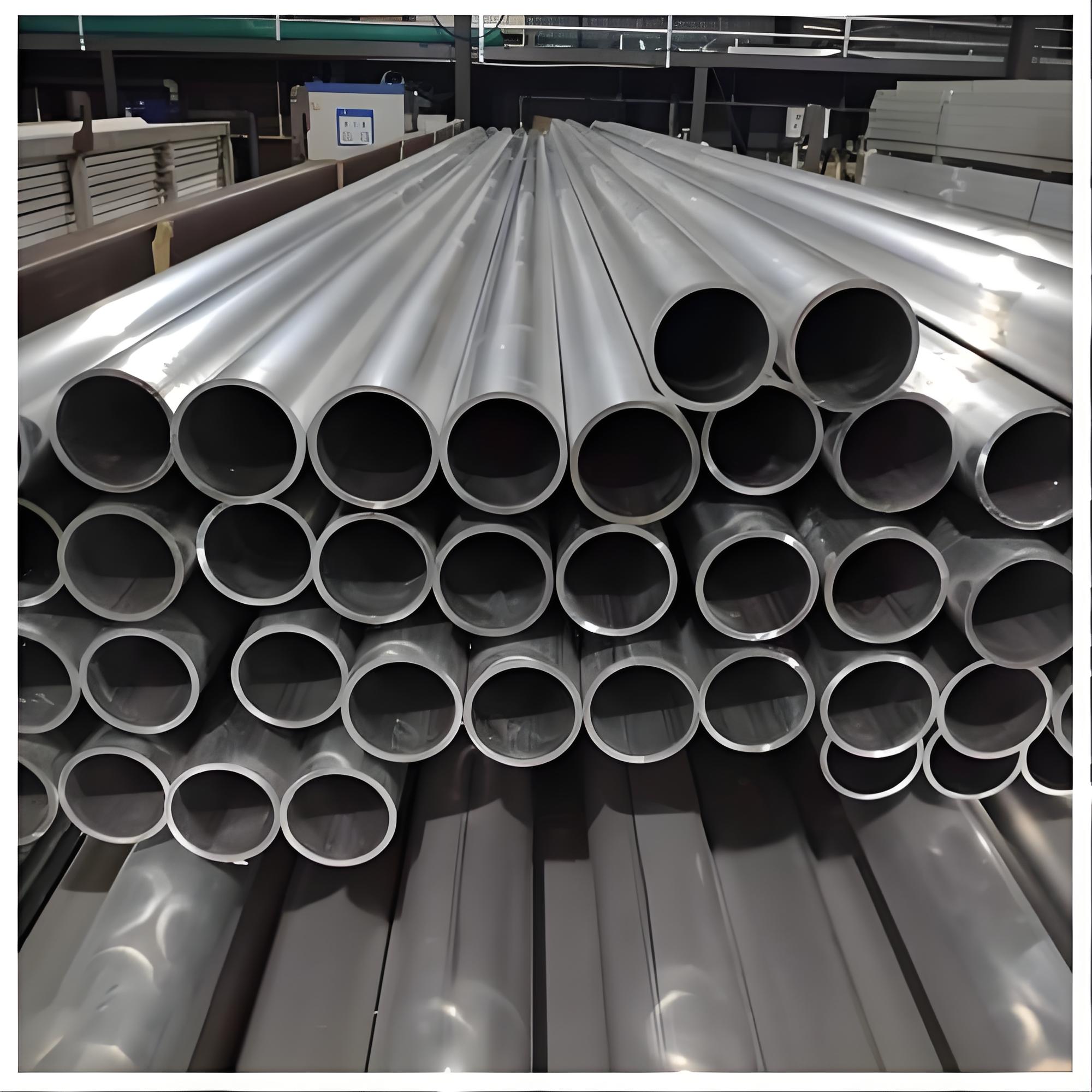
Pipe & Tube OD 6-610 mm, wall thickness and length to project specification Custom or project order, subject to mill confirmation Special high-temperature tubing and fabricated turbine components View Pipe & Tube
Round Bar Diameter 3-500 mm, custom cut lengths available Extruded, forged, cold worked, solution treated and aged Turbine blades, shafts, discs, bolts and machined components View Round Bar
Sheet & Plate Thickness 0.5-100 mm, custom widths and lengths Custom rolled or machined, subject to technical confirmation Special hot-section blanks and custom fabricated parts View Sheet & Plate
Strip & Foil Thickness 0.02-3 mm, slit widths to specification Custom cold worked or heat treated, subject to mill confirmation Special high-temperature flexible components and precision parts View Strip & Foil
Wire Diameter 0.1-20 mm, coil or straight-length supply Cold worked, heat treated or custom finished Fasteners, precision components and project-specific joining products View Wire
Fasteners Standard and custom bolts, nuts, studs, screws and washers Machined from extruded or cold-worked bar, fully heat treated Gas turbines, aircraft engines and high-temperature assemblies View Fasteners
Fittings ASME, EN and custom drawing dimensions Custom machined from bar or forgings, subject to technical review Turbine systems, hot-gas ducting and special high-temperature piping View Fittings
Flanges ASME B16.5, ASME B16.47, EN or custom specifications Custom forged or machined, subject to mill confirmation High-temperature pressure and turbine auxiliary systems View Flanges
Forgings Rings, discs, shafts and custom components up to project-specific dimensions Forged, solution treated, aged, rough or finish machined Turbine blades, discs, ring sections and critical hot-section parts View Forgings
Welding Wire Diameter 0.8-4.0 mm, spool, coil or straight-length supply Special matching filler, subject to qualified welding procedure Project-specific joining and repair applications View Welding Wire


Material Selection Guide

When to consider Nimonic 105

This guide helps buyers connect service conditions with the typical advantage of Alloy 625. Final selection should consider medium concentration, temperature, pressure, fabrication, availability and budget.

Service Requirement Why Alloy 105 Helps Common Product Form Buyer Note
Long-term service at 850-950 °C The three-stage heat treatment is designed to provide high creep strength and ductility for prolonged exposure. Bar, forgings, discs and ring sections Specify design stress, service temperature, exposure time and required creep-rupture data.
Gas turbine blades and discs Combines high tensile strength, gamma-prime strengthening and useful creep resistance. Forgings, bar and forging stock Confirm forging route, grain structure, heat treatment and nondestructive inspection level.
Turbine ring sections Provides elevated-temperature strength and dimensional stability in heavily loaded rotating assemblies. Ring forgings and forged stock State ring dimensions, machining allowance, ultrasonic requirements and final heat treatment.
High-temperature bolts and fasteners The alternative two-stage aging treatment can improve tensile, elongation and impact properties for service up to approximately 700 °C. Cold-worked bar, rod and fasteners Specify preload, service temperature, thread dimensions and required stress-rupture properties.
Creep-resistant components Molybdenum, cobalt and gamma-prime precipitation provide resistance to time-dependent deformation. Bar, billets, forgings and discs Request long-term creep or stress-rupture testing for critical applications.
Oxidizing hot-gas environments Chromium and aluminum support protective oxide formation at elevated temperature. Forgings, bar and custom sections Review gas composition, thermal cycling, coating requirements and maximum temperature.
High-strength machined parts Fully heat-treated material provides high proof strength and tensile strength for demanding components. Rod, bar and extruded sections Plan machining allowance and use tooling suitable for high-hardness nickel superalloy.
Special joining requirements Flash-butt and selected specialized joining methods may be suitable when qualified for the application. Bar, rod and extruded sections Conventional TIG/MIG welding is not normally preferred because of microfissuring risk.


Why Choose Us

Supply and quality support for Nimonic 105

For ranking traffic, buyers need more than a data sheet. This section gives clear trust signals for procurement, engineering and quality teams.

STASTM / ASME / AMS / EN

Quotation can be matched to project standards and product form specifications.

MTEN10204 3.1 MTC

Heat number, chemistry, mechanical properties and inspection records can be supplied.

QCPMI & Inspection

PMI, UT, dimensional inspection, visual inspection and packing check are available.

CSCustom Size

Cutting, machining allowance, rough machining and drawing-based supply can be arranged.

EPExport Packing

Wooden case, bundle, waterproof protection and international shipping documents.

RFFast Technical Reply

Send grade, size, standard, quantity and destination for a practical quotation route.

FAQ

Nimonic 105 questions from buyers

Find practical answers about procurement, standards, fabrication and industrial applications.

Nimonic 105 is mainly used for gas turbine blades, discs, ring sections, forgings, bolts, fasteners and other highly loaded components operating at elevated temperatures.

The commonly recognized Werkstoff number for Nimonic 105 is 2.4634. The alloy is also identified by the proprietary designation Nimonic 105 and by specifications such as BS HR 3.

The original Special Metals technical bulletin identifies Nimonic 105 by its proprietary alloy name and Werkstoff number rather than a formal UNS designation. Purchase orders should therefore state Nimonic 105, the applicable specification and the required chemical composition.

Nimonic 105 was developed for service up to approximately 950 °C. The actual allowable temperature depends on stress, exposure time, component geometry, atmosphere and the specified long-term creep requirements.

The long-term creep treatment is typically 4 hours at 1150 °C, air cooling, 16 hours at 1050-1065 °C, air cooling, followed by 16 hours at 850 °C and air cooling. A shorter two-stage treatment of 4 hours at 1125 °C plus 16 hours at 850 °C may be used when higher tensile and impact properties are required for service up to approximately 700 °C.

YSN128 can quote round bar, rod, billet, forging stock, forgings, ring sections, extruded sections and high-temperature fasteners. Plate, sheet, pipe, tube, flanges, fittings and welding wire are available only as custom or project-specific items subject to technical confirmation.

Conventional TIG and MIG fusion welding are not normally recommended because microfissuring may occur in the weld and heat-affected zone. Flash-butt welding and selected specialized joining processes may be possible after procedure qualification. The joining method should be approved for the specific component and service condition.

Yes. The alloy was developed for turbine blades, discs and ring sections where high strength and creep resistance are required at elevated temperature. Forging route, grain structure, heat treatment and nondestructive testing must be specified for critical rotating parts.

Yes. EN10204 3.1 certificates can be supplied on request with heat traceability, chemical composition, tensile properties, heat-treatment records and applicable ultrasonic, dimensional or metallurgical inspection results.

Please send the product form, dimensions, quantity, applicable BS, AECMA, AFNOR or customer specification, heat-treatment condition, design temperature, stress level, inspection requirements and destination. For turbine components, drawings and creep-rupture requirements are also recommended.

Request Nimonic 105 Quote

Need Nimonic 105 price, stock or technical support?

Send your required grade, product form, size, quantity, standard, certificate and destination. We will help check availability, production route, inspection scope and practical delivery plan.

Email RFQ

Home Tel Mail Inquiry